
"Ethiopia Harar"
200 article(s) found

A brief introduction to the flavor and taste of coffee beans in Harald producing area of Ethiopian gourmet washed coffee
Harald has a dry climate, and the coffee produced is treated by the sun. It has always been famous for its sun fruit aroma and red wine flavor. However, the sun treatment has also caused instability in the quality of coffee beans. You should be lucky if you can buy good quality Harald sun-cured coffee beans. Washing Harald is said to be the first batch of special products for countries with high demand for boutique coffee, such as the United States and Japan.

What are the brands of Ethiopian coffee? is Harald coffee harar coffee good?
Professional coffee knowledge exchange more coffee bean information Please pay attention to Coffee Workshop (Wechat official account cafe_style) Ethiopia is currently the country with the fastest coffee production and development, different production areas not only make coffee different in treatment, the same treatment can also lead to different aroma and taste due to different processing techniques, which often make people misleading. Such as Yegashev.

How do you drink Ethiopian Harald coffee, one of the three largest coffees in the world? Harar, is the coffee good?
For more information on coffee beans, please follow the coffee workshop (Wechat official account cafe_style) Ethiopian coffee is mostly produced in the plateau above 2000 meters above sea level, with large producing areas such as Gima, Gamby, Yeerqifa, Sidamo and Harald. Among them, the Montenegro region of Harald is still the only place in the world with wild coffee.

The Development of Ethiopian Coffee beans in the course of Coffee Harald Coffee
Harar Harald, a name that reflects the rise and fall of Ethiopia. The Montenegro region of Harald is by far the only place in the world with wild coffee, which is auctioned in London every year. The secret of producing high-quality coffee is that coffee farmers have developed a coffee culture in a suitable environment through repeated learning of the coffee planting process for several generations.

Ethiopia coffee production area profile Ethiopia West Dharma
Harar/Sundried/Dry-Processed Harar is located in the Eastern Highlands of Ethiopia (Haredge Province) and grows at an altitude of 5,000 - 7,000 feet. It was still wild on hillsides a century ago. Most raw beans are medium in size and pointed at both ends. The color is green with yellow or gold. When baked, it has a strong chocolate smell.
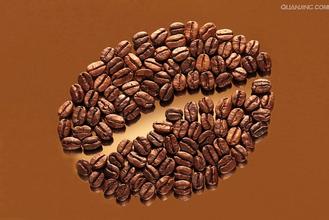
Ethiopian Coffee introduces Ethiopian Harald mocha coffee beans
Ethiopia Harald mocha beans (Ethiopian Harar mocha) roast taste and photo photo light roasted Harald coffee beans, brewed in a siphon coffee pot, really have a hint of citrus aroma! This Harald harar raw coffee bean looks like grade 5, irregular, long beans (longer flat beans), short flat beans, round beans, boiled beans

Which country is the Harald coffee? what are the regional characteristics of the Harald coffee producing area?
Professional coffee knowledge exchange more coffee bean information please follow the coffee workshop (Wechat official account cafe_style) the origin of the name: the most famous Ethiopian coffee is Harald Coffee. Harald is located in eastern Ethiopia. Harald is an ancient city with a long history and one of the four holy cities of Islam. The Harald area has the best altitude for Arabica coffee growth.

Wild Rose-Harald Coffee has a strong wine flavor, and some are fragrant.
Professional coffee knowledge exchange more coffee bean information please follow Coffee Workshop (Wechat official account cafe_style) Harald Coffee is a very special kind of coffee, its taste is very aggressive, ready to defeat your taste buds, a cup of Ethiopian Harald Coffee can bring you the original experience you have never had before. Harald is an ancient city with a long history.

Introduction to coffee varieties: Harald (English name: Harar)
A general conventional variety of the Harald region of western Ethiopia characterized by a strong tree species and a high yield of coffee; but it is easy to get.

Harald coffee beans in Nigeria
Harald, located in eastern Ethiopia, is an ancient city with a long history and one of the four holy cities of Islam, where coffee beans are usually divided into three types: long bean Harar, short bean Harald and single bean Harald. Among them, long bean Harar is the most popular and of the best quality. this kind of coffee is full-bodied, full-bodied, sour and full-bodied. Ha

How do you brew Harald coffee? can Harald coffee be made with milk? what's the difference in flavor?
For more information on coffee beans, please follow the coffee workshop (Wechat official account cafe_style) Ethiopia produces very complex coffee, so there are different planting areas and varieties that produce unique and unique characteristics in their processed coffee-Harald coffee from natural simplicity and wine, interesting tropical fruits, plums and plums from Lekempti.
Raw beans, a new product of coffee-- Harald, Ethiopia
New beans! New beans! We who love coffee, every time the arrival of new beans is like welcoming distinguished guests from afar! And coffee beans really don't let us down! This time the Harald old friend becomes the new friend, the king returns, the majestic spirit is better than that year! For Harald, coffee lovers are naturally no stranger to the perfect mellowness, and the sweetness of chocolate is naturally mixed with the aroma of cedar, full of tension.

Ethiopian coffee bean flavor description of the type of taste grinding scale processing method introduction
Ethiopian coffee beans are mostly produced in the plateau above 2000 meters above sea level, the major producing areas are Djimmah (Djimmah), Gimbi (Gimbi), Yirgacheffe (Yirgacheffe), Sidamo (Sidamo), Harar (Harar). Because of the soil conditions, climatic conditions and the sea above 2000 meters in these areas
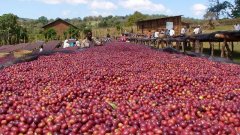
Harald Gimar Kim Bilim of Costa Rica Coffee country Sidamo Yega Chuefei
Ethiopia is called the hometown of coffee, not only because it is the earliest birthplace of coffee in the world, but also because it is a place where coffee is everywhere. There is a custom in this birthplace of coffee that no matter how poor and miserable people are, they must have a coffee pot and a charcoal stove in their home. Because the local people think they have to
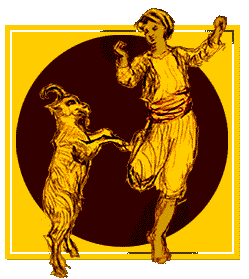
World boutique coffee farm beans; Harald mocha (part 1) in Ethiopia has a delicate and rich taste
[product name]: Ethiopia Harald Mocha (Ethiopia Harar Mokha) [quality rating]: DP Grade 4 [baking]: recommended moderate baking (Medium Roast or City Roast) [grade]: excellent [granule]: ★ full [acidity]: ★★★★ slightly sour, dark chocolate aftertaste [balance]: ★★★★ is very stable
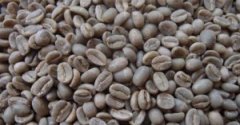
Ethiopian coffee beans, coffee beans
Ethiopia is home to Arabica coffee, and it is in the forests of the Kaffa region that you can see Arabica coffee growing wild. In Ethiopian, coffee is called Bun or Buna, and coffee beans may be translated from Kaffa Bun. Arabica coffee was discovered early in the Harar region, most likely from Karachi.
Introduction to Ethiopian Coffee Grade
Grade of Ethiopian coffee: Ethiopian washed coffee Yega Chuefei G1 G2 Sidamo (Yirgacheffe, Sidamo) has the highest grades 2 and 3 (G2, G3), while sun-processed coffee in eastern Ethiopia is mostly grade 4 or 5 (G4, G5). In many cases, level 4 coffee is marked as level 5 in order to reduce taxes. At present, the classification is not uniform and there are

Flavor description of Ethiopian Honey Coffee beans introduction to Grinding scale Variety Manor
The Flavor description of Ethiopian Honey Kiss Coffee beans Grinding scale Variety Manor introduces that Ethiopia grows coffee in different climatic zones, so it has more than 140 farm varieties, and fresh coffee is produced all the year round. The quality of Ethiopian coffee varies according to different elevations and regional ecological environment. Harar coffee in the southeast highlands is a typical Muhaka.

Introduction to the taste characteristics of Ethiopian coffee flavor description and grindability varieties
Ethiopia's geographical environment is very suitable for coffee growth. Coffee is mainly grown in the southern highlands between 1100 and 2300 meters above sea level. The main coffee producing areas are Harar, Limu, Djimma, Sidamo, Kaffa, Yergacheffe and Wellega. The soil drainage in these areas is good.

What are the functions of Arabica coffee
Following caf é (Wechat official account vdailycom) found that Beautiful Caf é opened a small shop of its own Ethiopia is the hometown of Arabica coffee, it is in the forests of the Kaffa region that you can see wild Arabica coffee. In Ethiopian, coffee is called Bun or Buna, and coffee beans (coffeebean) may be turned from Kaffa Bun